Stainless Steel Step Trash Can: Worth It?
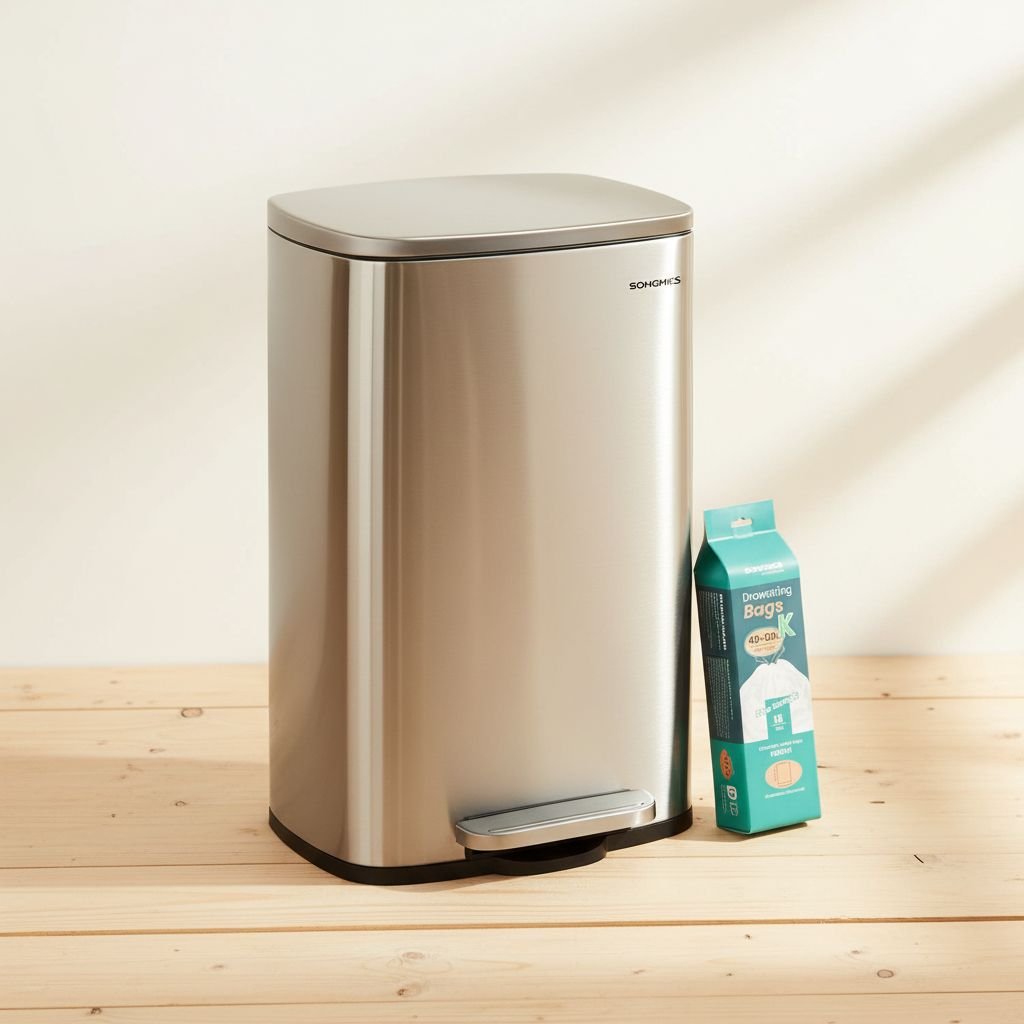
The moment I stopped apologizing for my trash can is the moment I realized that even the most utilitarian object in the kitchen deserves to be chosen with intention.
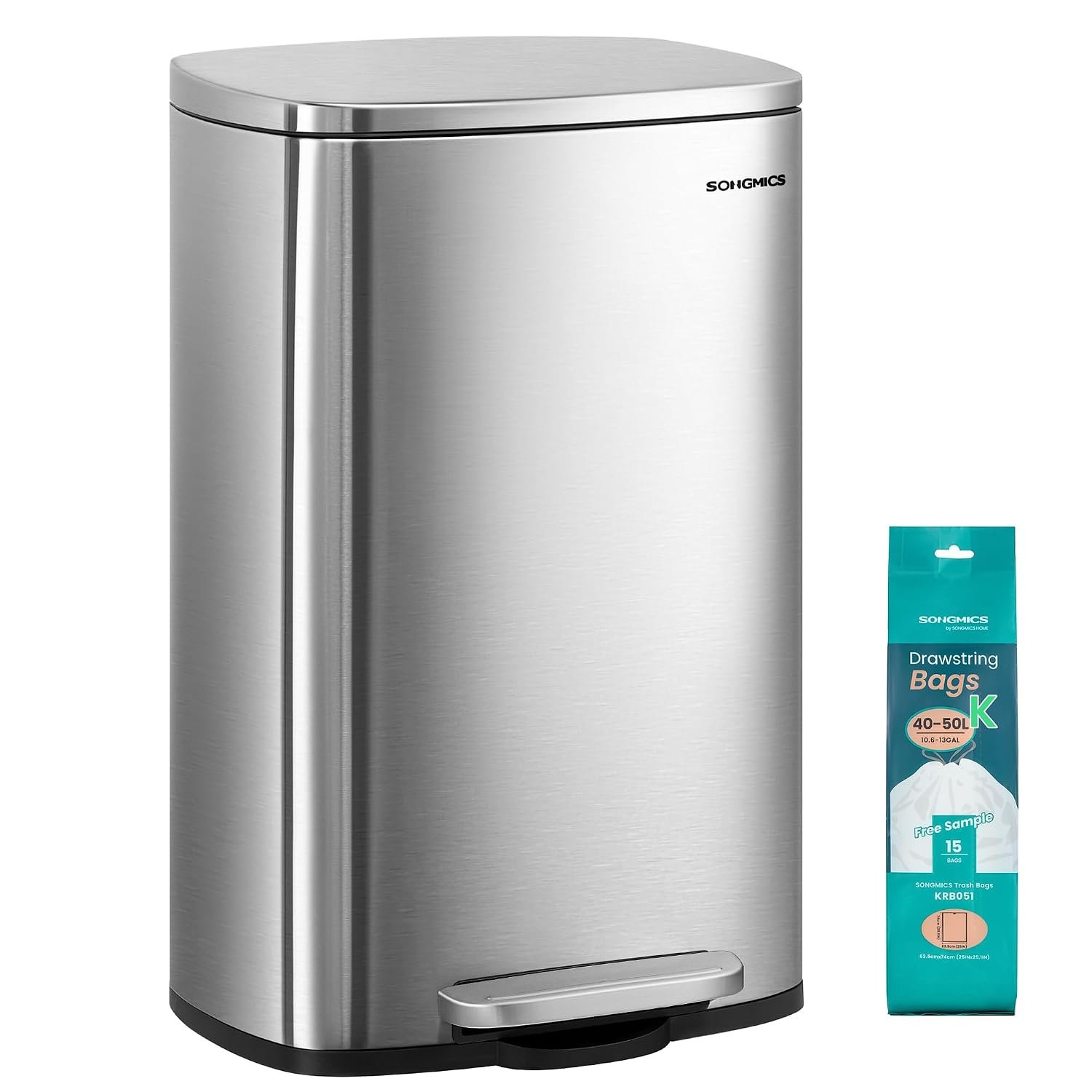
There is a particular kind of Sunday morning in my kitchen that I have come to love: the light falls sideways through the window above the sink, the kettle is heating, and everything on the counter has that particular stillness that only exists before the week arrives. I notice things I overlook on rushed Tuesday mornings. I notice the coffee canister, the wooden cutting board propped against the backsplash, the small clay bowl holding garlic cloves. And I used to notice, with a creeping irritation, the trash can tucked beside the counter. It was a plastic one with a lid that never quite snapped shut and a color I can only describe as “resigned beige.” It asked nothing of the room and gave nothing back. The morning I set down the SONGMICS 13 Gallon Stainless Steel Step-On Trash Can and stepped back to look, something quietly clicked into place.

The First Time I Saw It
I was doing what I always do when I am supposed to be doing something else: scrolling through kitchen organization roundups looking for something I couldn’t quite name. I had been reading a piece on thoughtful small-space kitchen upgrades and clicking through one link after another, mostly unmoved. Then I landed on a page with a product shot that stopped me. The silhouette was clean and vertical, the brushed steel surface catching light with the kind of quiet confidence you see in professional kitchen equipment. It looked like it belonged in a kitchen where someone actually cooked.
What made me click through was not some grand aesthetic revelation. It was simpler than that: I was tired of being faintly embarrassed by a trash can. And something about this one suggested I wouldn’t be.
How It Actually Lives in the Room
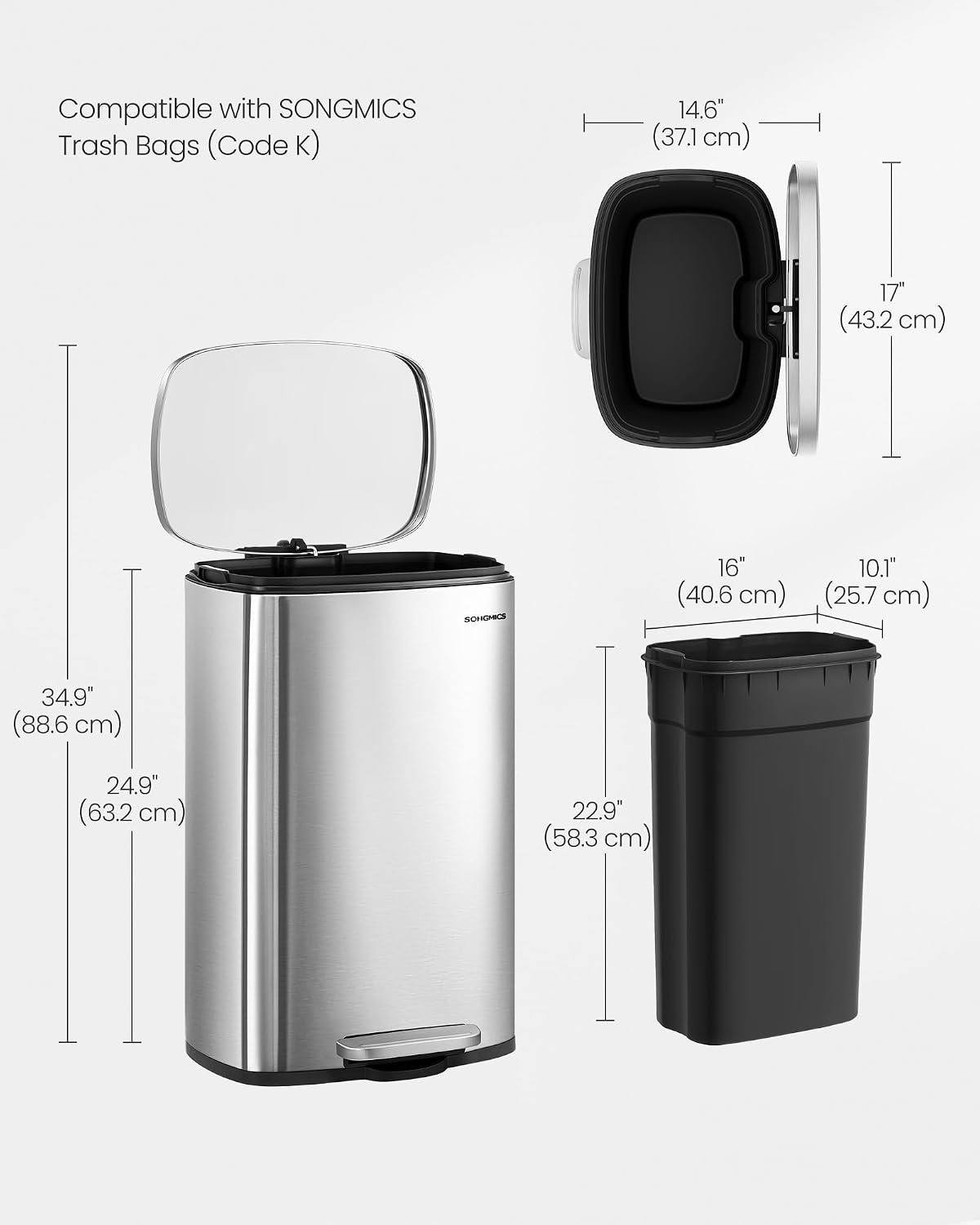
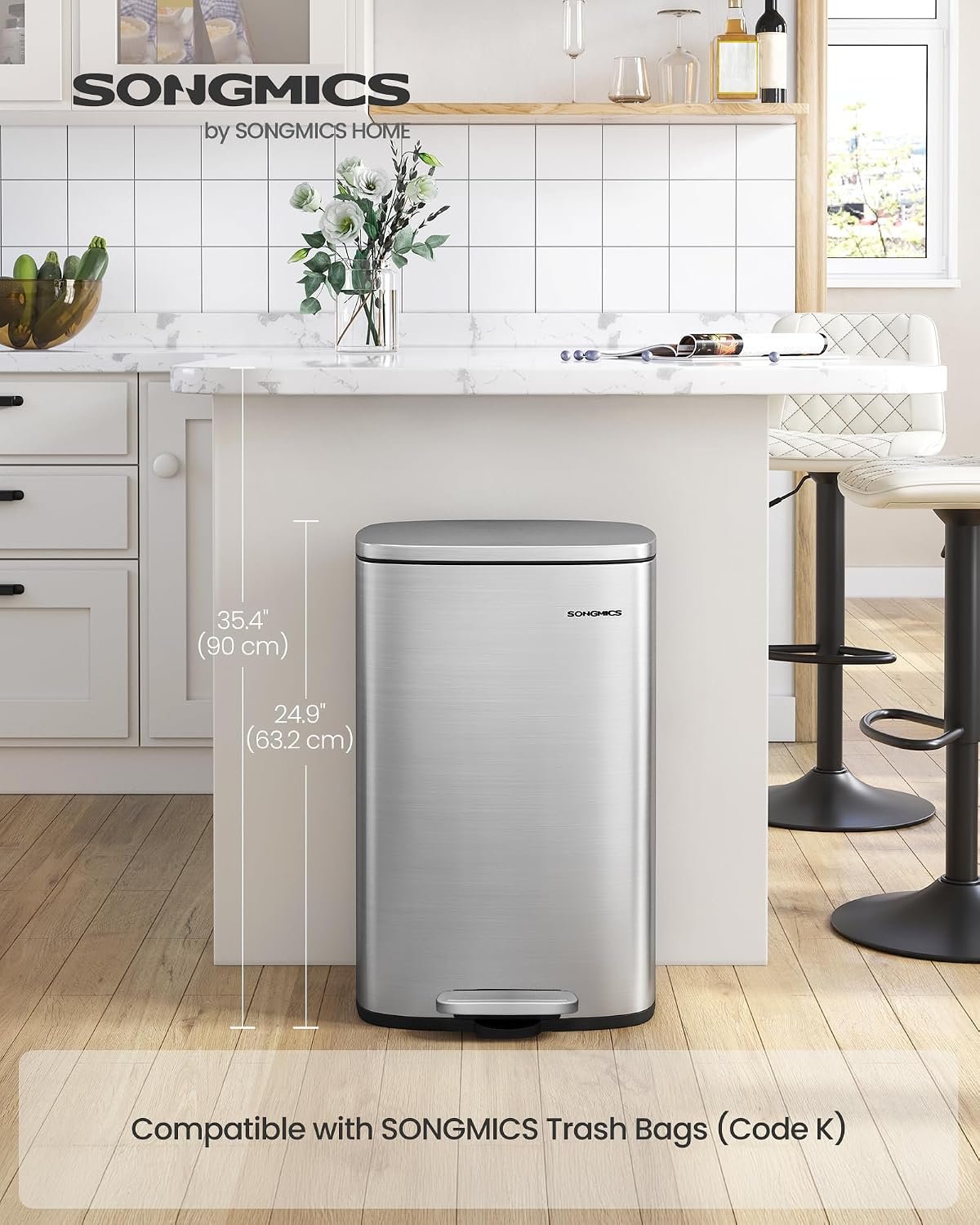
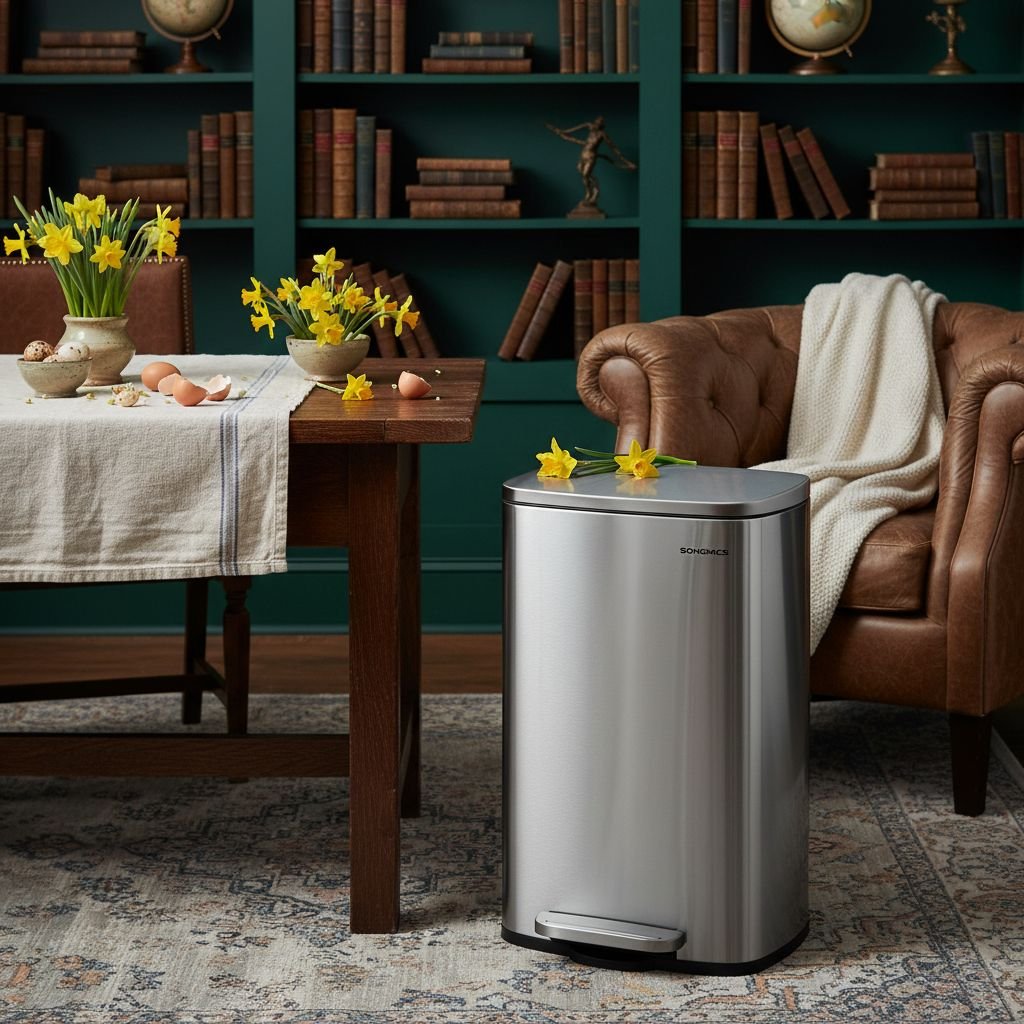
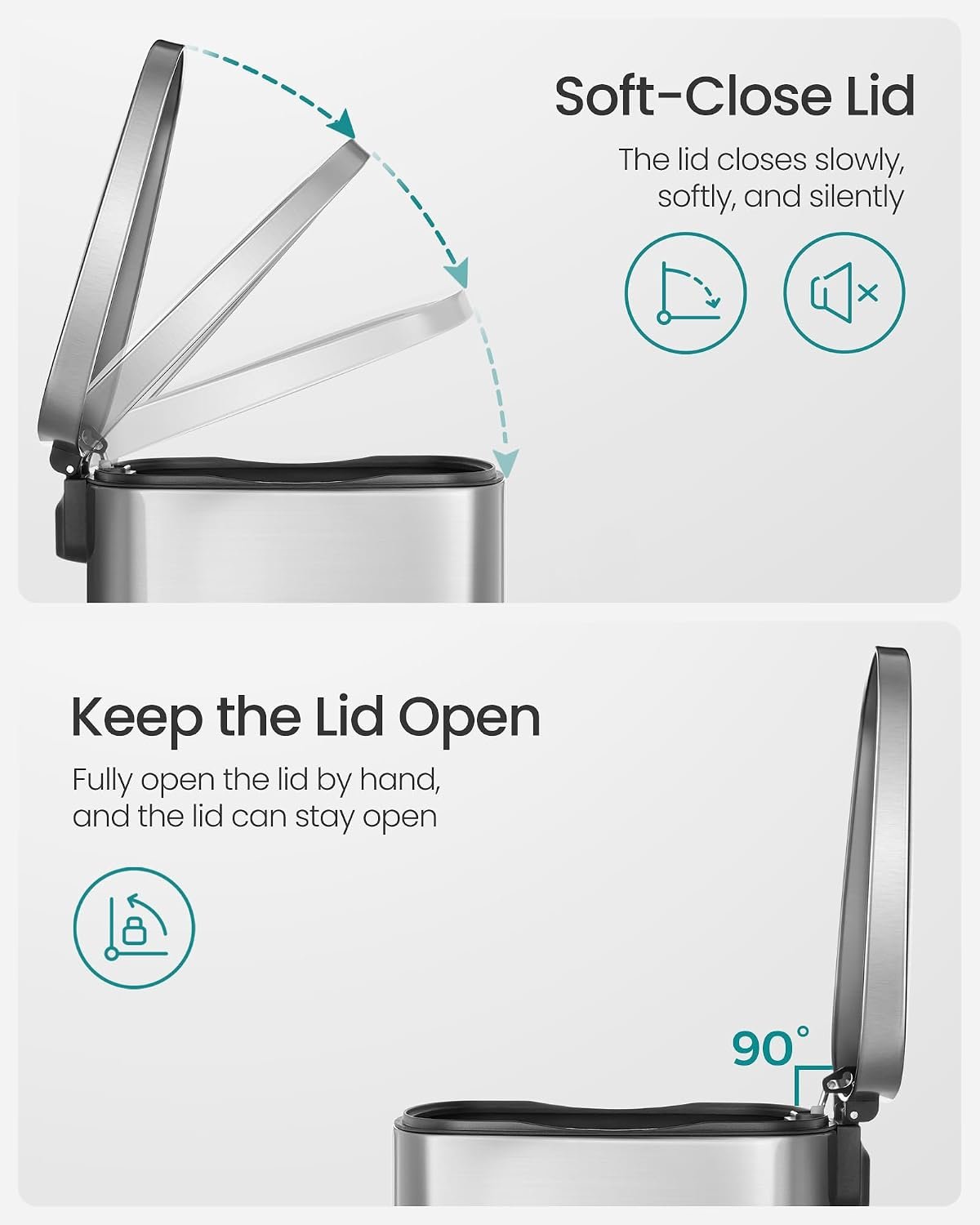
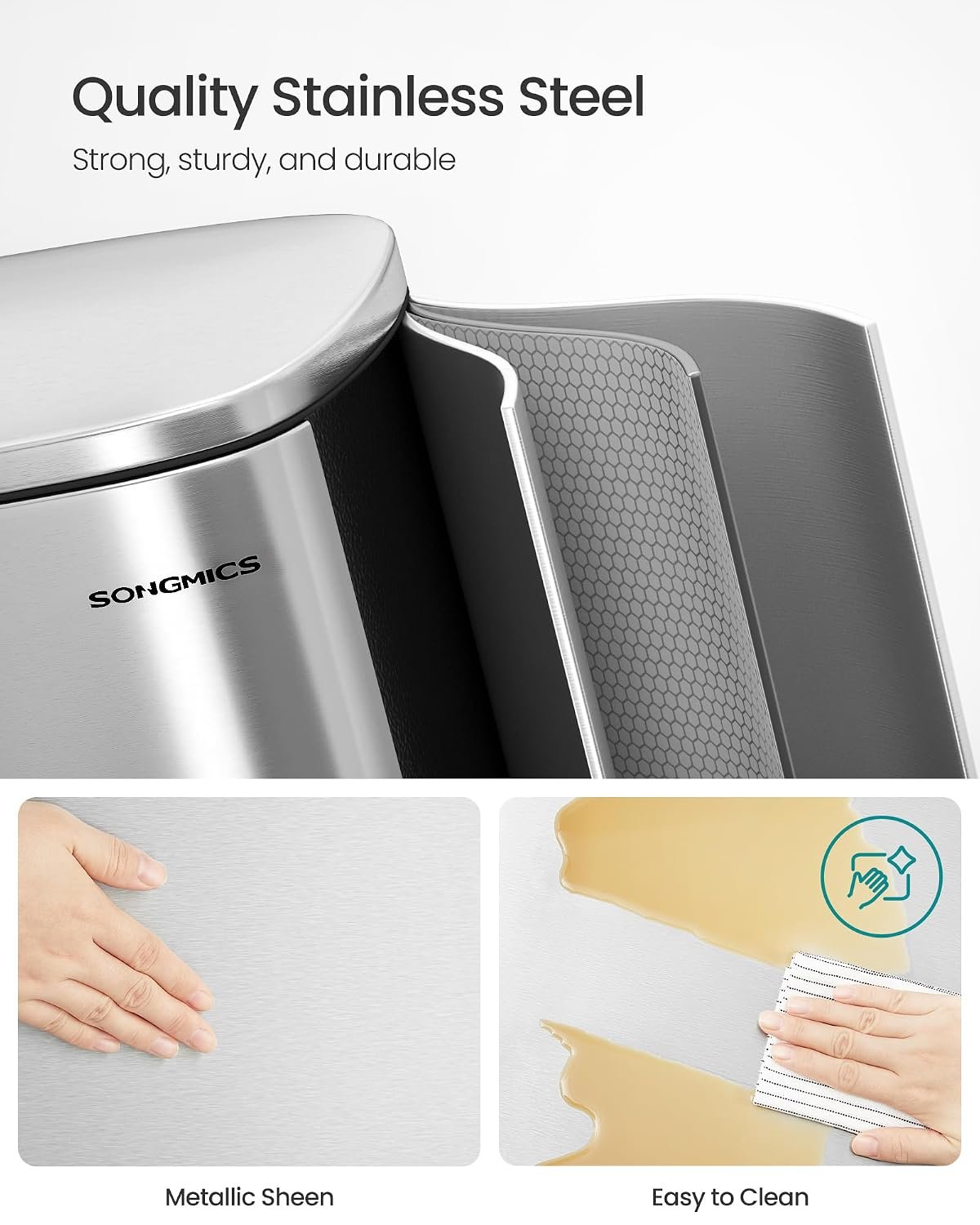
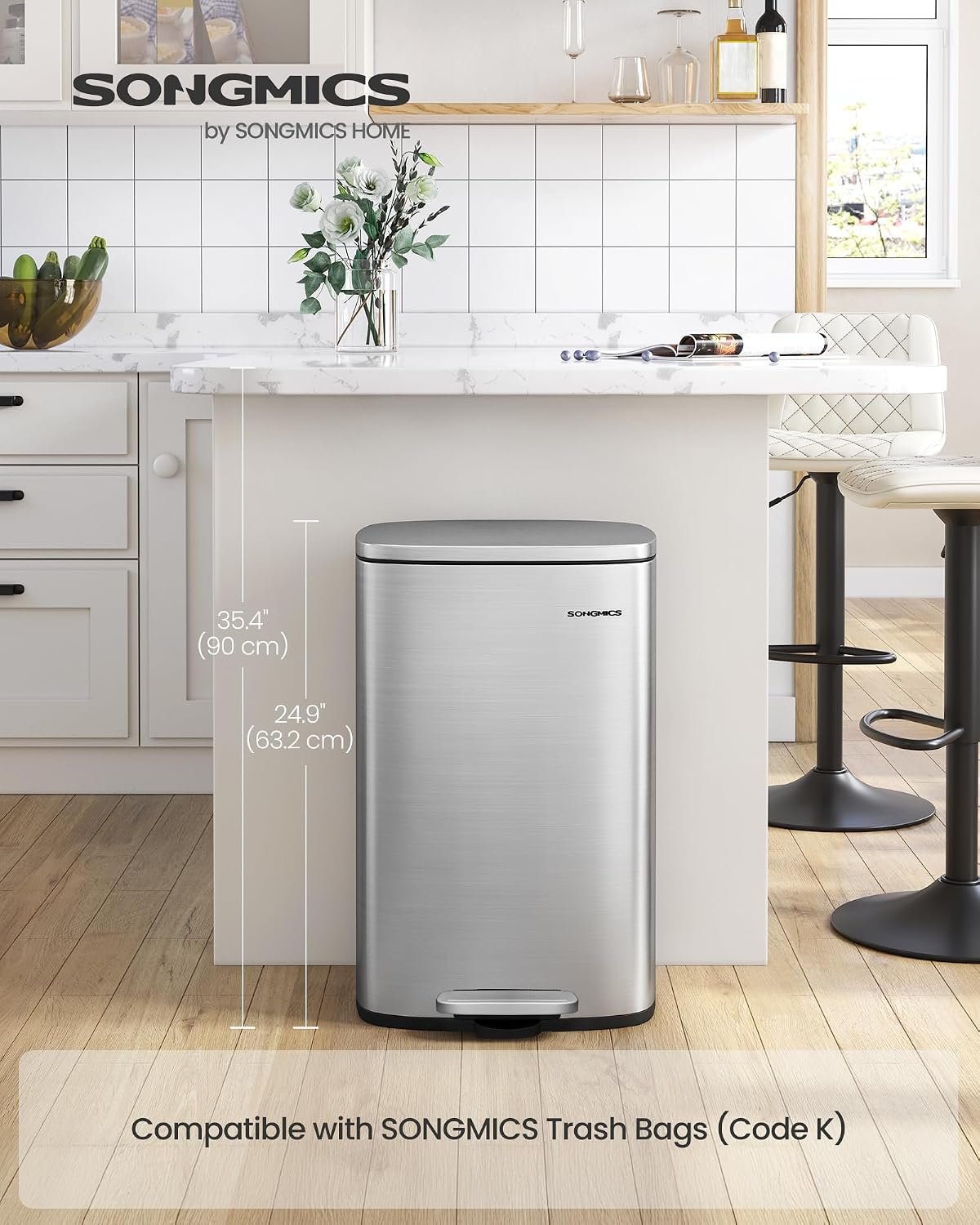
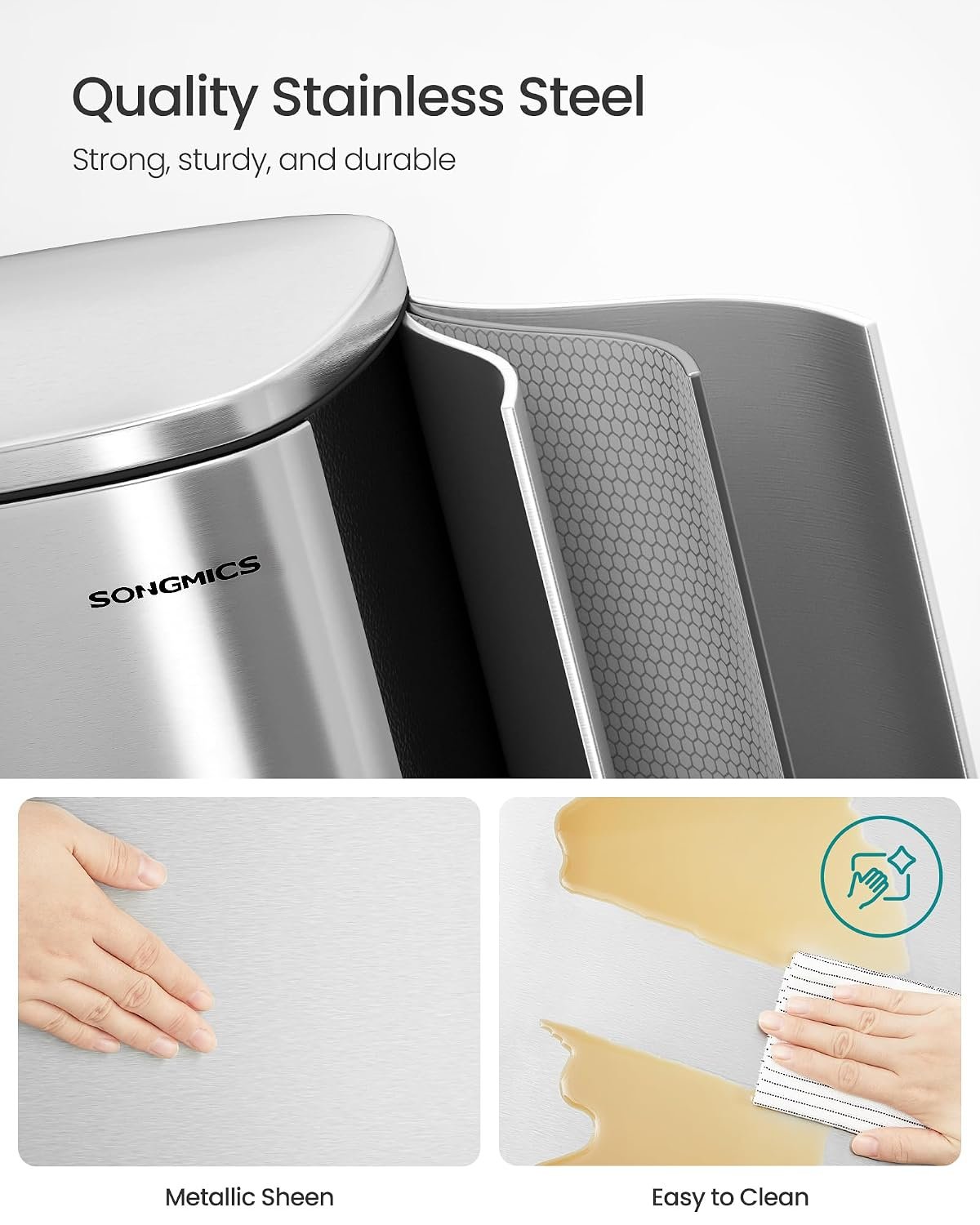
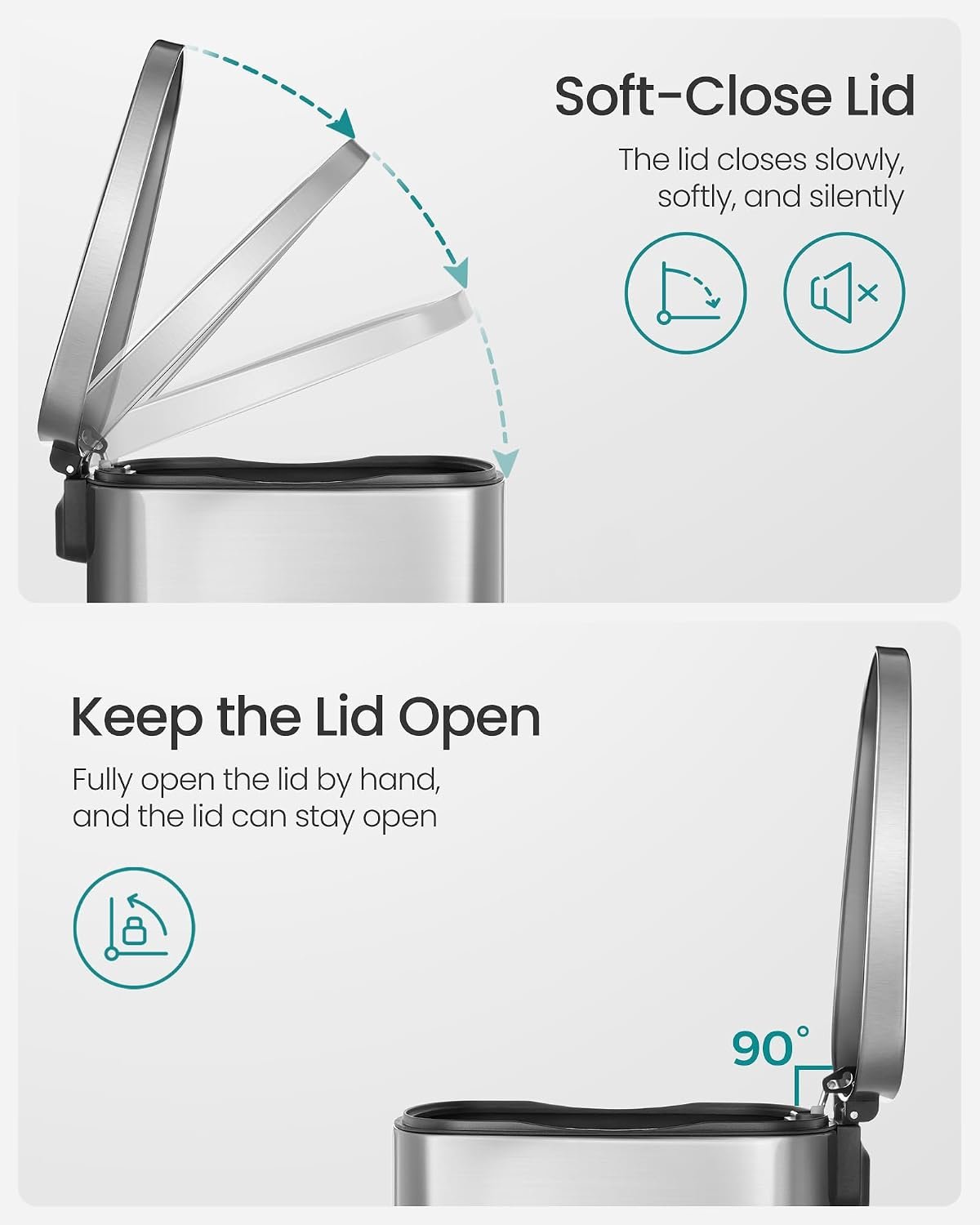
The proportions are generous without being intrusive. The 13-gallon capacity sits in the sweet spot for a working kitchen: large enough that you are not emptying it every other meal, compact enough that it doesn’t crowd the space between the cabinets and the island. The stainless steel body has a brushed finish that reads warm rather than cold, which I hadn’t expected. Under incandescent evening light, it looks almost bronze. In the sharp morning light, it is silver-grey and architectural. The foot pedal operates with a satisfying, single depression, and the lid opens to a useful angle and descends slowly, with no slam or clatter.
“A trash can should disappear into a well-designed kitchen, and this one manages to do that while still looking like a deliberate choice.”
There is one honest caveat worth naming. Fingerprints show on brushed stainless steel, full stop. If your household includes small children, enthusiastic cooks, or anyone who gestures while talking near the kitchen, you will be wiping this down regularly. A microfiber cloth handles it in seconds, but the maintenance is real. That said, architectural design guides have long made the case that materials requiring a little attention tend to reward the attention, and I find that applies here.
The Vignettes I Actually Built Around It
Vignette 1: Sunday Morning, Coffee and Quiet
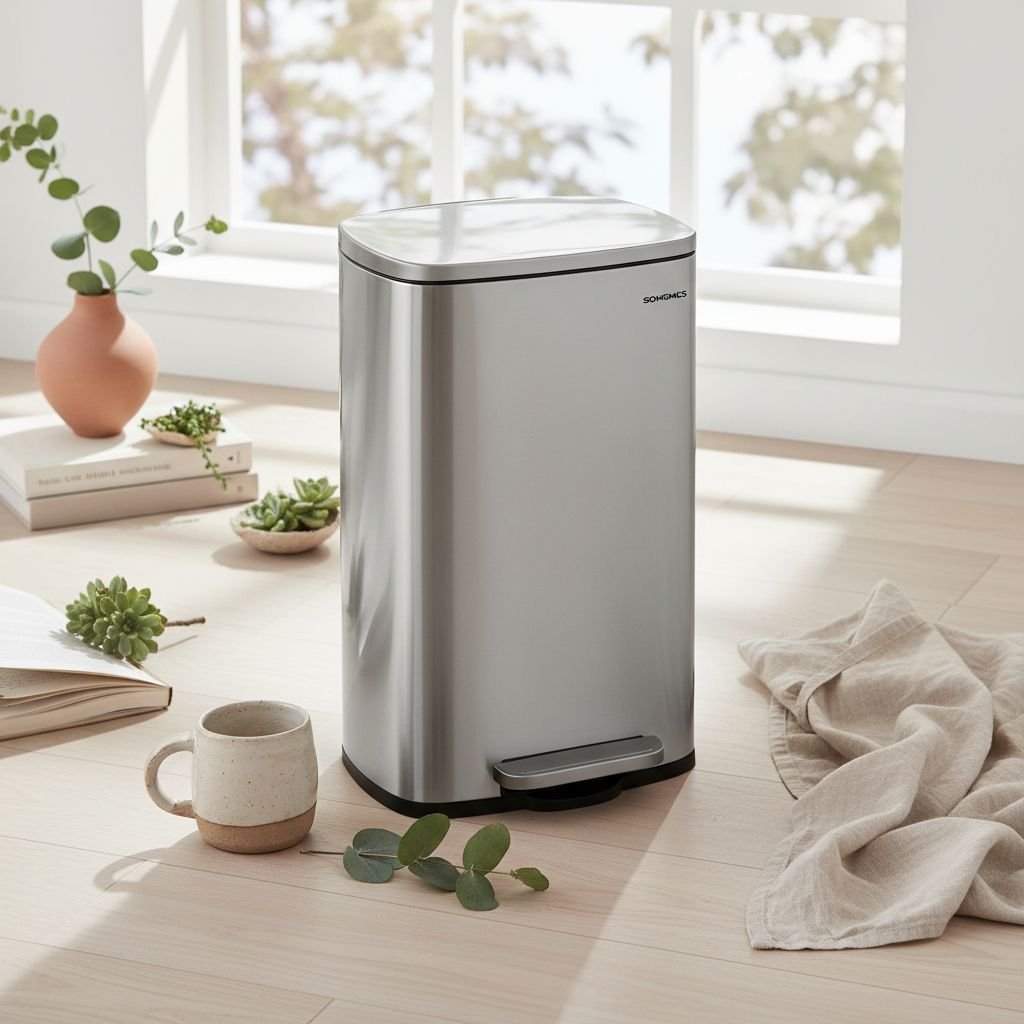
In the corner beside the refrigerator, the trash can now anchors a small working zone that I’ve come to think of as the prep corridor. To its left: a narrow shelf holding dish towels in muted linen and a small ceramic crock of cooking utensils. Overhead, a single pendant casts a warm pool of light. The steel surface picks up that warmth and holds it, which means even this purely functional corner has a kind of glow on weekend mornings when the pace is slow. I chop, I compost, I discard, all without touching anything but food. The hands-free operation feels like a small, recurring kindness to yourself.
Vignette 2: First Dinner Party of the Season
Six people in my kitchen, which is about four more than it was designed for, and every surface was staged within an inch of its life. The counters held a cheese board, a sweating bottle of white wine, a bowl of olives. The trash situation, in smaller-gathering logistics, can quietly unravel an otherwise composed kitchen. This is where the pedal operation earns its place decisively. Guests reaching past you, hands full of citrus peels or cocktail napkins, can tap the pedal without ceremony and move on. Nobody commented on the trash can directly, which is exactly the right outcome. One friend did ask where I got the “steel canister by the fridge,” which made me laugh.
Vignette 3: A Quiet Rainy Tuesday
The nights when I cook alone are the ones where I notice details most acutely. Rain on the window, a podcast playing low, a pot of something slow-simmering on the back burner. I moved around the kitchen the way you do when there is no performance of it, and I kept appreciating the same small moment: tap the pedal, drop the scraps, lid closes. No touch, no noise, no negotiating with a lid that only half-cooperates. It sounds minor written out. In practice, it makes the act of cooking feel more fluid, more considered, like the kitchen is working with you rather than asking you to manage it.
What Other People Are Saying
With over four thousand ratings averaging at 4.5 stars, the SONGMICS step-on trash can review consensus is notably consistent: people keep returning to the same words. Sturdy. Quiet. Good-looking. The complaints, where they exist, cluster around the same fingerprint issue I mentioned and, occasionally, a preference for a larger inner liner. Those are fair observations, not flaws exactly, more like honest specifications you should know going in.
What strikes me about the pattern of praise is how often reviewers mention replacing something they hated with this and feeling the gap more acutely in retrospect. That tracks with my own experience. You don’t know how much a bad trash can costs you in daily friction until you’ve lived with one that doesn’t.

Who Should Skip It
If your kitchen leans heavily into warm, maximalist, or cottagecore territory, brushed stainless steel may read as too cold or too commercial, no matter how well-proportioned the piece is. This is a genuinely minimalist object, and it works best in spaces where clean lines and neutral materials are already the language being spoken. It will not soften a rustic farmhouse kitchen, and I would not ask it to. If you have a very compact kitchen where even a standard-footprint trash can feels like it crowds the floor plan, it’s worth measuring carefully before committing, because this is not a small piece. And if fingerprint maintenance is genuinely not something you want to think about, a matte or powder-coated finish might suit your life better.
What It Replaces in My Space
The outgoing trash can was a plastic step-on model that I’d purchased without real thought several years ago, a decision I made based entirely on price point and immediate availability. It served its function without ever becoming part of the room. The lid had developed a habit of drifting open after the inner bag was too full, which was both unsightly and, frankly, unpleasant. By the time I replaced it, I had stopped looking at that corner of the kitchen at all, which is its own quiet design failure: a room where you’ve learned to look away. This SONGMICS piece fills the same footprint and does the same job, but I look toward that corner now. That is not a small thing.
For our broader picks in functional kitchen countertop and utility decor, and to see how this fits into a fully considered kitchen, you might also want to explore our complete kitchen and dining category, where we round up the pieces that make a working kitchen feel intentional rather than assembled by accident.
FAQ
What size is the 13-gallon capacity, and does it fit standard kitchen trash bags?
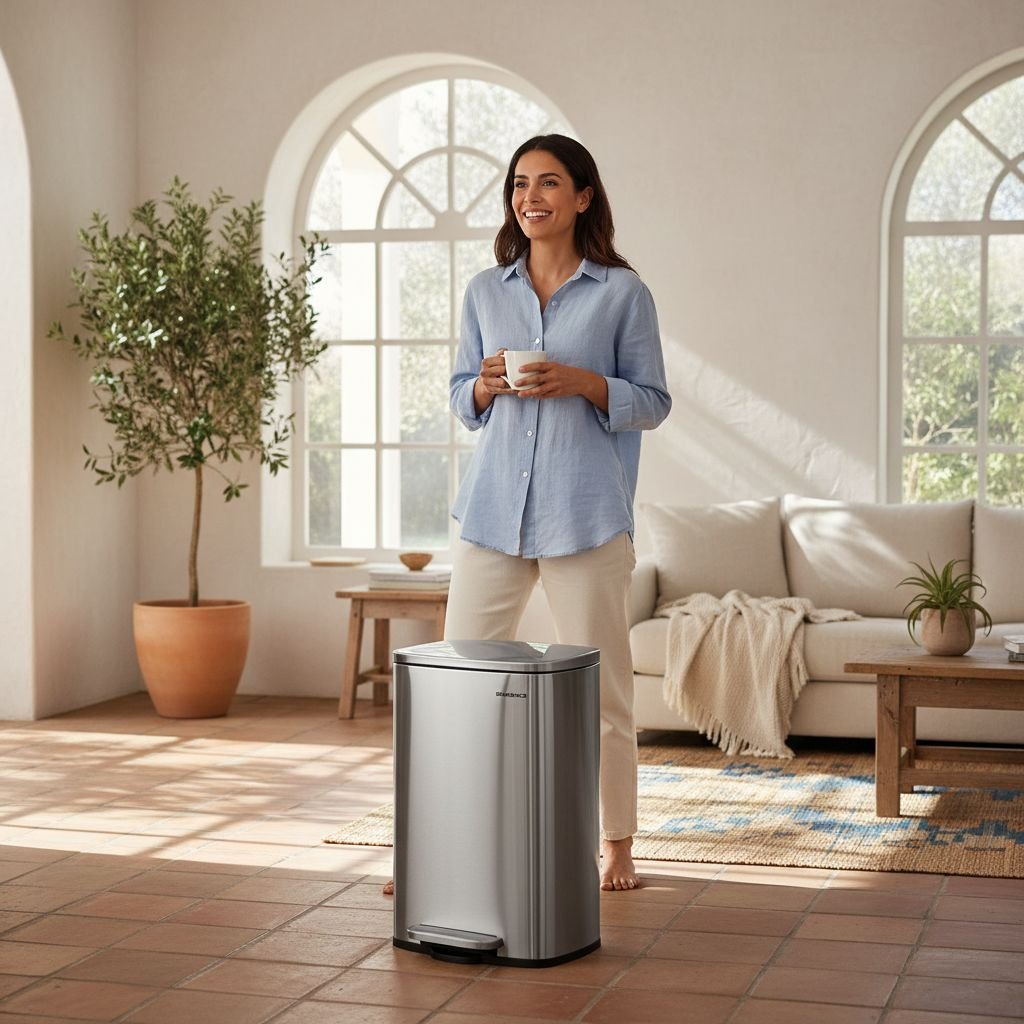
The 13-gallon (50-liter) size accommodates standard 13-gallon kitchen trash bags, which are widely available. It is one of the most common kitchen trash can sizes for good reason: it handles the output of a working household kitchen without requiring daily emptying or taking up floor space disproportionate to its job.
How do I clean and maintain the stainless steel finish?
A damp microfiber cloth, wiped in the direction of the grain, removes fingerprints and light smudges in seconds. For deeper cleaning, a small amount of mild dish soap works well. Avoid abrasive scrubbers or steel wool, which can scratch the brushed finish and dull its appearance over time. A weekly wipe-down is genuinely enough to keep it looking intentional.
Where is the best placement for a step-on trash can in a kitchen?
The most functional placement is close to your primary prep zone, usually adjacent to the counter or island where chopping and cooking happen. Beside the refrigerator or at the end of a run of cabinets works well, as it keeps the floor space around the stove and sink clear. Avoid placing it directly in a traffic path, since the lid arc needs a few inches of clearance when open.
Is this piece worth the investment for an everyday kitchen?
Given the level of finish, the quality of the pedal mechanism, and the durability of brushed stainless steel as a material, this reads above what you’d expect at this price point. It’s the kind of piece that lasts for years without degrading aesthetically or mechanically, which means the value compounds over time in a way that cheaper alternatives rarely manage.
Is the trash can easy to assemble, and what is the return process like?
Assembly is minimal: the lid and pedal mechanism arrive essentially ready to use, with no tools required. Most buyers report having it functional within a few minutes of unboxing. As with most online purchases, return policies vary by retailer, so it’s worth confirming the specifics at the point of purchase before ordering.
The Verdict
I picture a December evening, the kitchen warm from the oven, something with citrus and rosemary roasting for people I like. The counter is a mild chaos of preparation, and I am moving through it quickly, efficiently, with the low-grade satisfaction that cooking for people you love produces. The SONGMICS 13 Gallon Step-On Trash Can is simply there, doing what it is supposed to do, without asking to be managed. The lid opens on command and closes quietly. The brushed steel catches the overhead light and holds it. Nobody in the room is thinking about the trash can, including me, and that is the whole point. If you’re building a curated kitchen that rewards daily use, this is one of those foundational decisions that seems modest until you realize how often you interact with it. You might also consider pairing it with well-chosen kitchen glassware or quality dish towels to complete the aesthetic of a kitchen that has been genuinely thought through, not just assembled. For what you’re paying, this is a considered piece from a brand that understands the difference between a product that functions and one that belongs. And right now, it belongs in my kitchen completely. Buy it once, stop thinking about it, and spend your attention on the parts of your kitchen that actually ask for it.
Every Angle
The piece as photographed for Amazon — front, side, back, detail.
As an Amazon Associate I earn from qualifying purchases.